
GDP and the False Reality of Progress: The Dangers of Building the Future with a Narrow View of Reality
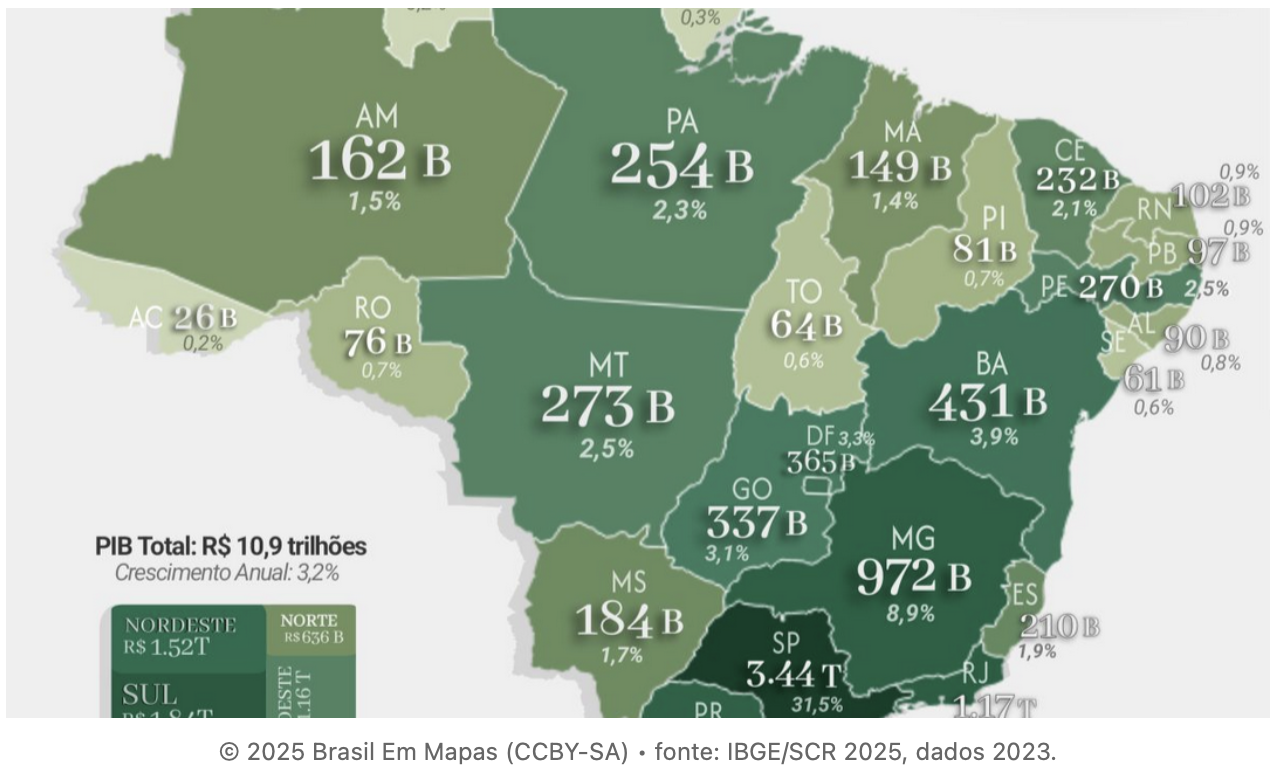
Too many Brazilians, particularly those in wealthier regions, judge the success of federal states – especially those in the Northeast – solely by their GDP (PIB). This perspective is not only incomplete but misleading. While GDP is a useful economic indicator, it fails to account for the complex social, political, and historical forces that shape regional development. Reducing success to a single, numerical measure overlooks the broader context that influences economic growth and prosperity.
The Northeast of Brazil has a unique and often overlooked history. For decades, even centuries, the region was systematically neglected in terms of development. While wealthier regions – especially the Southeast and South – received investment and attention, the Northeast languished under historical inequalities, political neglect, and economic exploitation. These conditions fostered poverty and dependency, making it easier for elites to manipulate the electoral system through clientelism. Development was stunted by a combination of neglect, corruption, and systemic inequality – factors that GDP alone cannot explain.
Furthermore, GDP fails to reflect the true potential of the region, the resilience of its people, or the enduring effects of historical neglect. It ignores the political manipulation and corruption that have prevented the Northeast from realizing its full economic capacity.
In recent years, the rise of the internet and greater access to information have empowered the people of the Northeast and other historically disadvantaged regions. The spread of democratic values has given them a stronger voice and the ability to demand greater recognition, transparency, and fairness. Yet, despite these advances, the remnants of the old political system – spanning the executive, legislative, and judicial branches – continue to impede true development.
Using GDP as the sole metric for judging a region’s success is not only inaccurate but harmful. It disregards the historical context of economic underdevelopment and perpetuates a false narrative that these regions are „failing“ or not working hard enough.
This narrow perspective leads to a skewed perception of the Northeast, contributing to the misallocation of resources and fostering division. Wealthier regions often fail to recognize the historical struggles that have shaped the Northeast’s development challenges. Rather than understanding the region’s history and offering meaningful support, this mindset perpetuates harmful stereotypes and biases.
Moreover, GDP as a measure of success diverts attention from the need for systemic change. It undermines the importance of addressing the root causes of economic disparity, such as poor infrastructure, education, and healthcare, along with the urgent need for political reform. The people of the Northeast – and all regions of Brazil – deserve policies grounded in historical context, ones that recognize their potential and prioritize long-term solutions over short-term economic metrics.
Ultimately, when Brazil continues to judge its regions based solely on GDP, it risks perpetuating a cycle of inequality. The false reality created by this narrow perspective hinders meaningful change and impedes the nation’s progress as a whole. By building the future on the flawed assumption that GDP alone defines success, Brazil fails to address the deeper issues that restrict certain regions and their people.
The way forward requires confronting the past with honesty, acknowledging the historical context that has shaped regional development, and embracing a more inclusive and informed view of success. True progress is not measured by GDP alone but by the equitable development of all regions and the upliftment of all people.